
Description
Overview
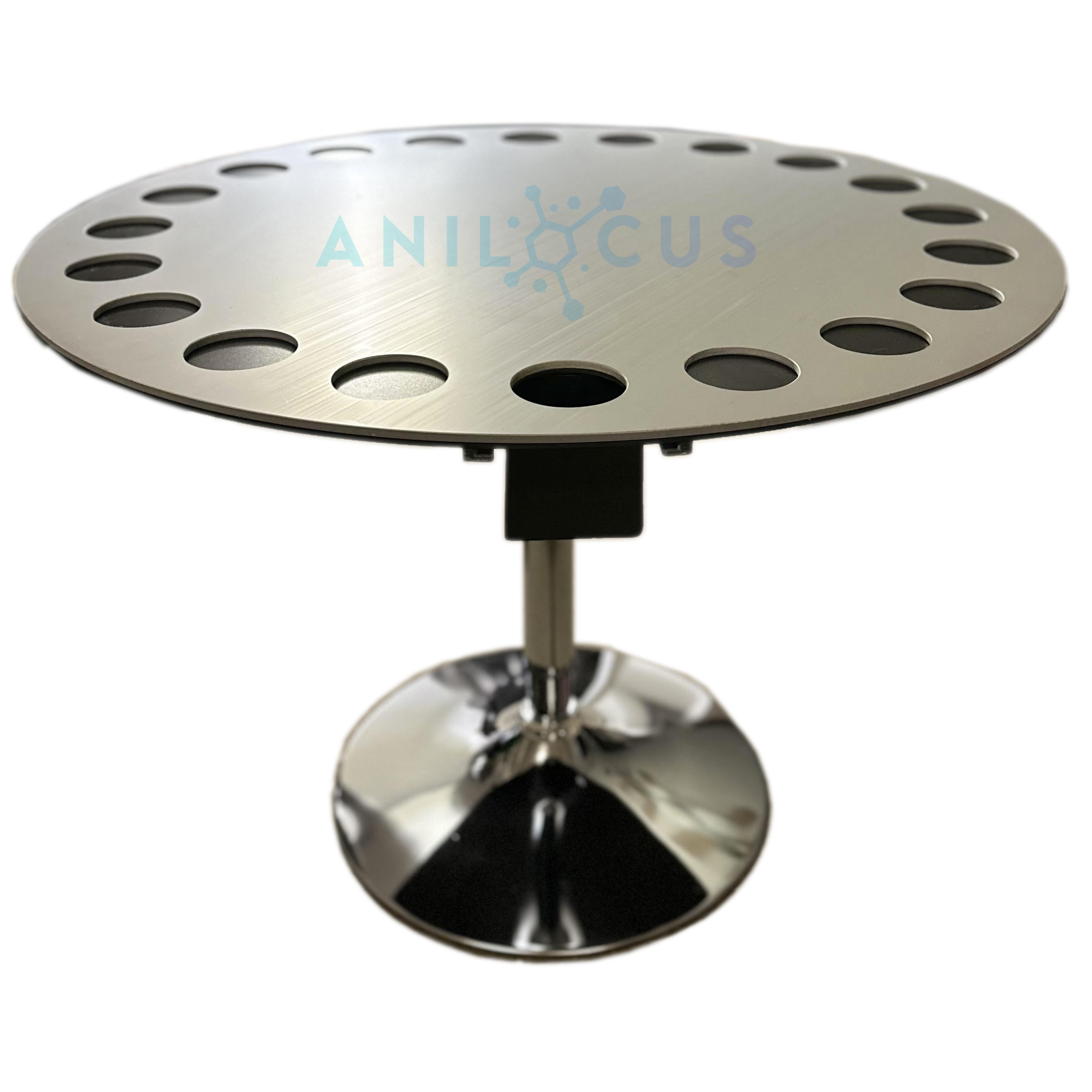
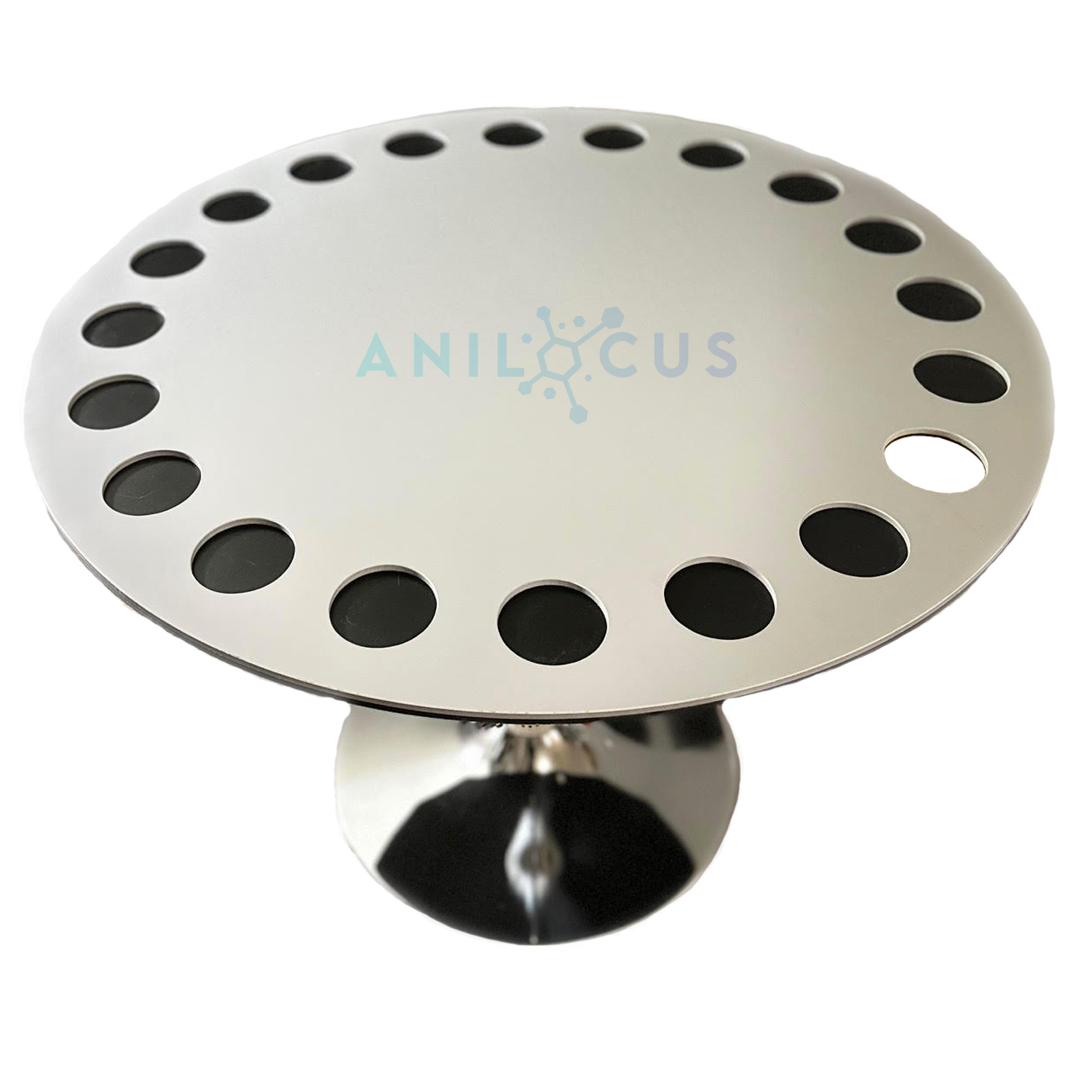
The Barnes Maze is a circular behavioral testing apparatus designed for assessing spatial learning and memory in rodents without the stress and confounding factors associated with water-based methods. This durable acrylic system exploits the natural aversion of rodents to bright, open spaces while providing a reliable method for evaluating hippocampal-dependent spatial memory. The Barnes Maze addresses critical limitations in traditional testing methods by providing a low-stress alternative that maintains scientific rigor, making it essential for research into cognitive function, memory disorders, and neurological conditions including Alzheimer’s disease and traumatic brain injury.
Unlike the Morris Water Maze or Radial Arm Maze, the Barnes Maze requires no dietary restrictions, swimming stress, or food deprivation, making it ideal for testing animals that cannot perform strenuous activities. The apparatus measures the ability of mice to learn and remember the location of a target zone using distal visual cues located around the testing area, making it useful for evaluating novel chemical entities and identifying cognitive deficits in transgenic strains.
Key Features and Benefits
- Stress-Free Testing – Eliminates swimming stress and dietary restrictions while maintaining scientific validity for spatial memory assessment
- Dual Species Compatibility – Available in optimized configurations for both mice (35″ diameter) and rats (47″ diameter) with species-appropriate hole sizing
- Durable Construction – Built from high-grade acrylic material designed for long-term laboratory use and easy cleaning between subjects
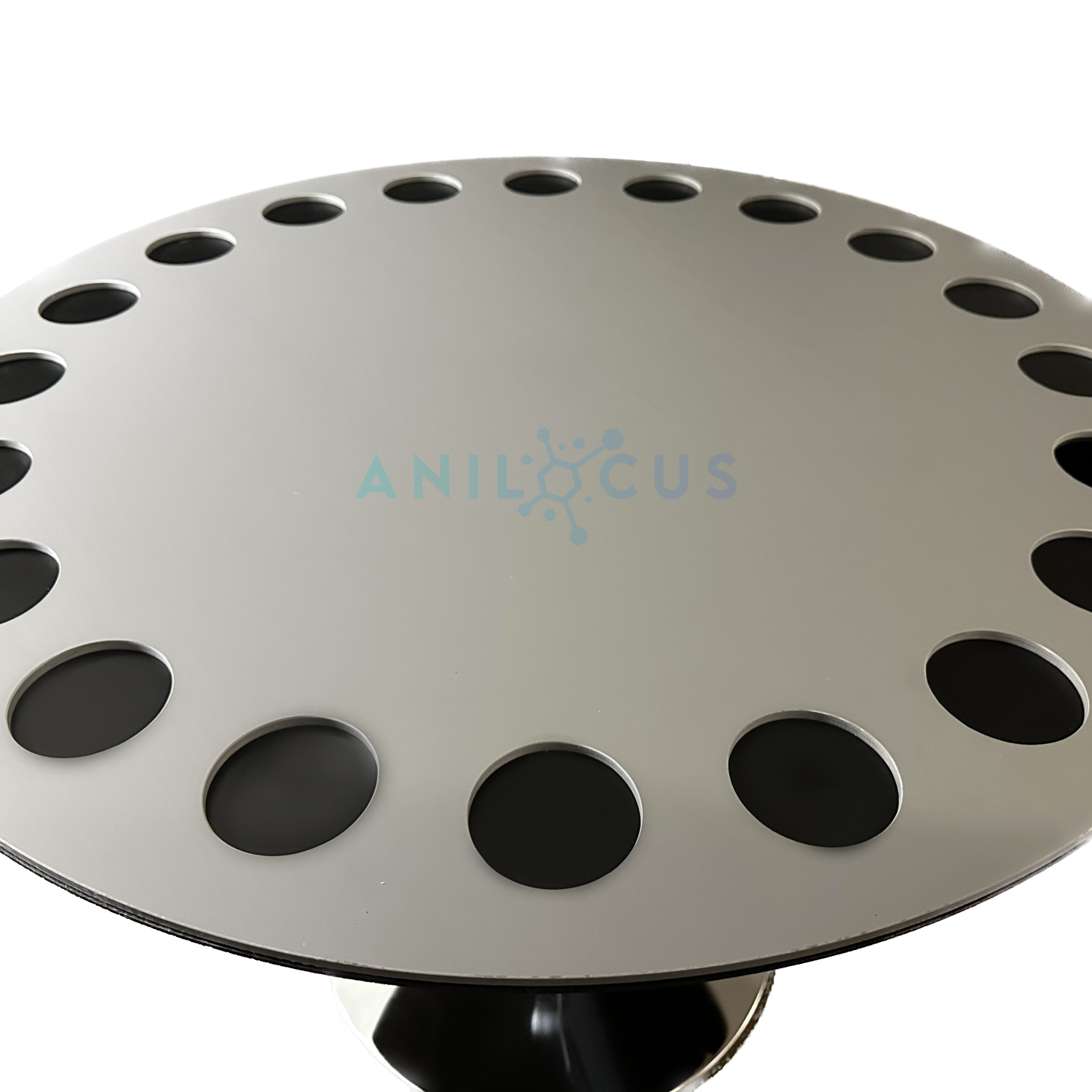
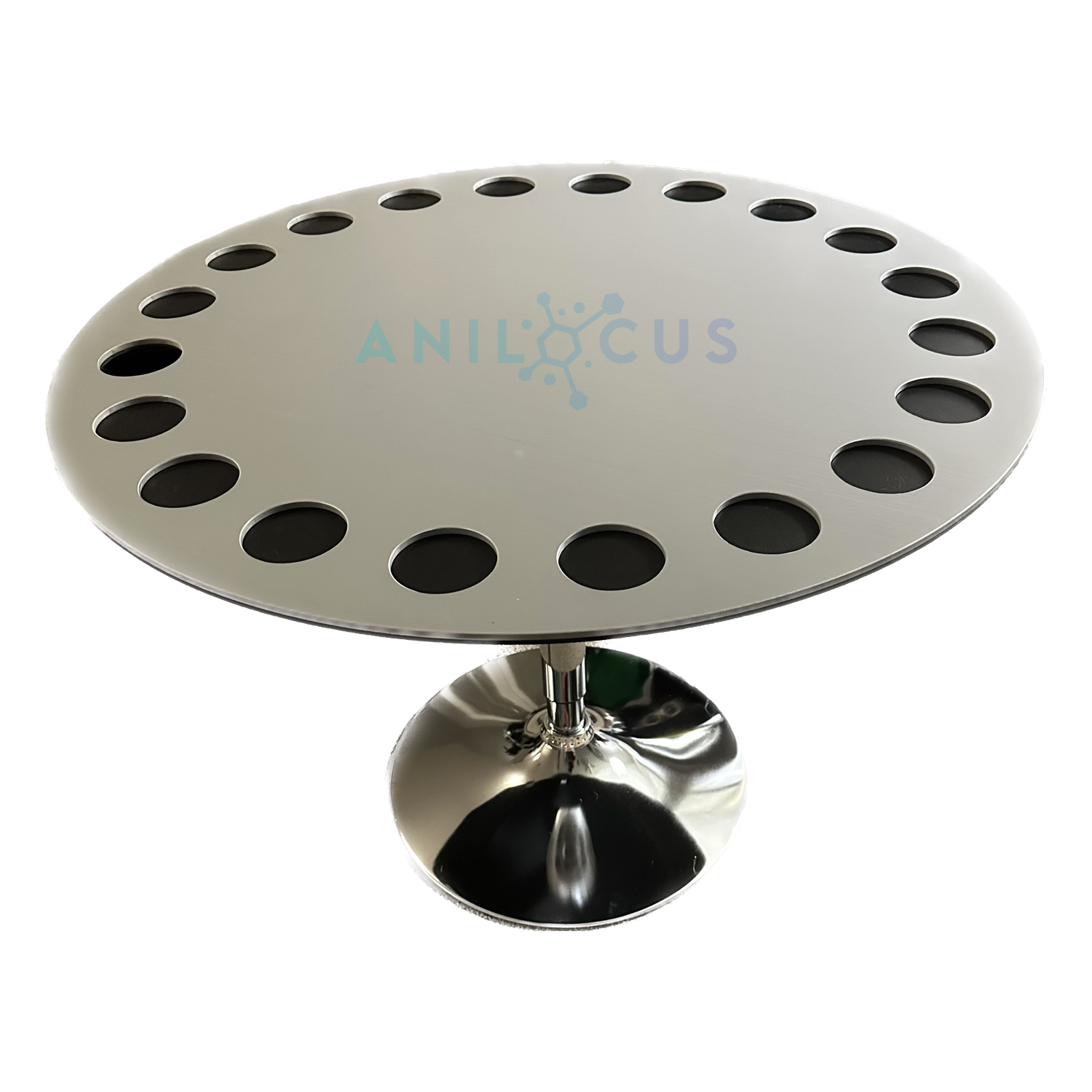
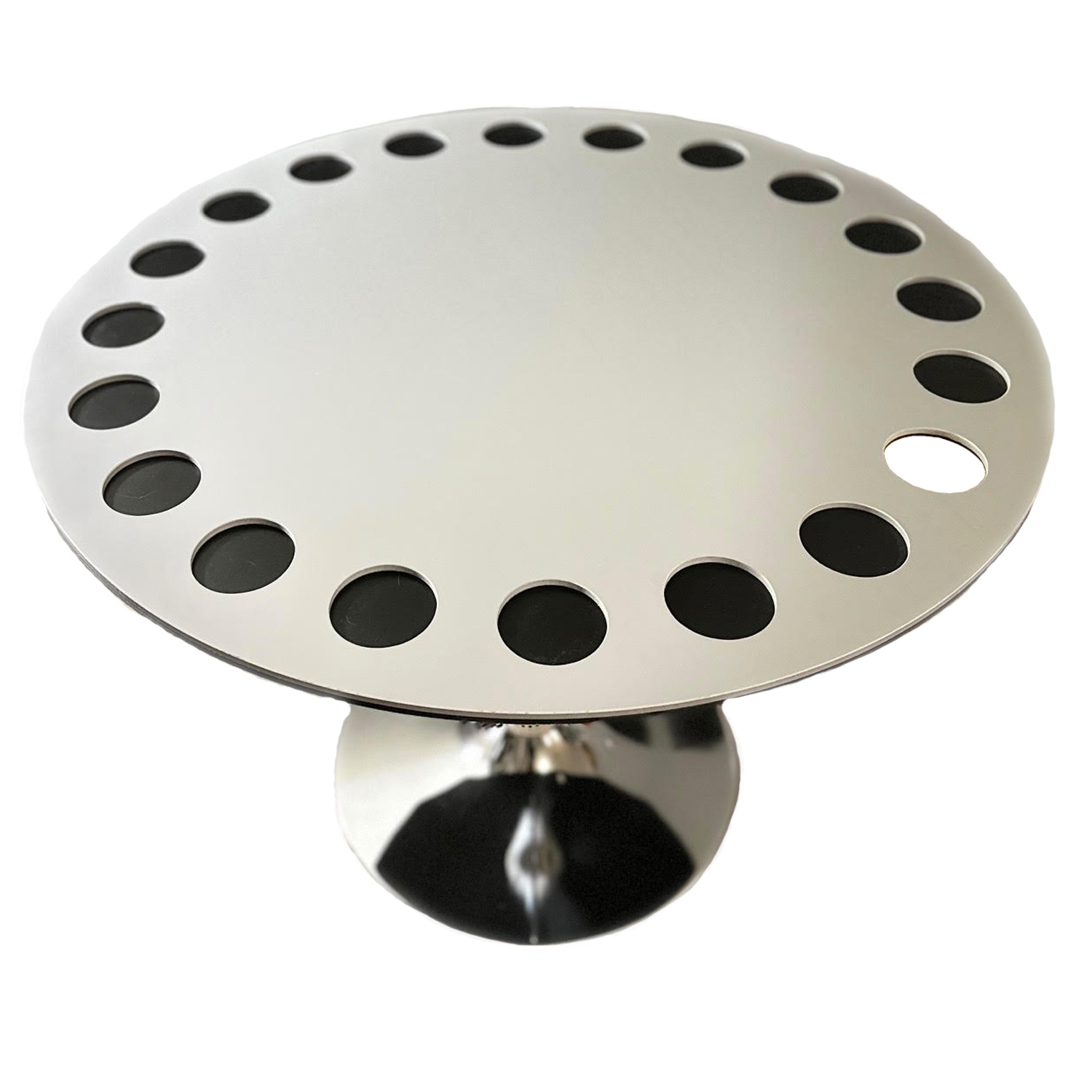
- Multiple Hole Configuration – Features 20 evenly spaced holes with one functional escape box and 19 false targets to eliminate inadvertent visual cues
- Elevated Platform Design – Raised circular platform exploits natural rodent aversion to open, bright spaces for consistent motivation
- Video Tracking Compatible – Optimized surface materials and contrast ratios for seamless integration with behavioral analysis software
Applications in Behavioral Neuroscience
Spatial Learning and Memory Assessment
The Barnes maze tests hippocampal-dependent spatial reference memory by requiring animals to learn the relationship between distal cues in the surrounding environment and a fixed escape location. Researchers can measure acquisition curves, retention performance, and strategy usage across multiple training sessions.
Alzheimer’s Disease and Dementia Research
The Barnes maze is frequently used to assess spatial learning and memory deficits in rodent models of neurological conditions such as Alzheimer’s disease and traumatic brain injury. The apparatus enables evaluation of therapeutic interventions and disease progression markers in translational research.
Pharmaceutical Testing and Drug Development
This noninvasive task is useful for evaluating novel chemical entities for their effects on cognition , providing a standardized platform for testing cognitive enhancers, neuroprotective compounds, and therapeutic interventions.
Genetic and Transgenic Model Validation
The Barnes maze helps identify cognitive deficits in transgenic strains of rodents that model diseases , making it essential for phenotyping genetically modified animals and validating disease models.
Cognitive Aging Studies
Due to the spatial nature of the Barnes maze, damage to the hippocampus leads to deficits in performance of the task , making it valuable for studying age-related cognitive decline and interventions aimed at preserving cognitive function.
Scientific Validation
The Barnes Maze was designed by Carol Barnes in 1979 to evaluate spatial learning and memory, initially intended for rats but increasingly adapted for use with mice. Published studies demonstrate its effectiveness in measuring spatial memory acquisition, retention, and strategy development. The apparatus has been extensively validated in peer-reviewed research, with findings published in journals investigating spatial memory deficits, therapeutic interventions, and cognitive aging. Research groups have established standardized protocols with 15-30 acquisition trials before probe trial administration, demonstrating robust and reproducible results across laboratories.
Specifications
| Specification | Details |
|---|---|
| Overall Dimensions | Mouse: 35″ (88 cm) diameter, Rat: 47″ (120 cm) diameter |
| Platform Thickness | 13mm high-grade acrylic |
| Number of Holes | 20 evenly spaced around perimeter |
| Hole Diameter | Mouse: 2″ (5 cm), Rat: 4″ (10 cm) |
| Material Construction | Non-reflective acrylic optimized for video tracking |
| Platform Height | Elevated 24″ above floor level |
| Weight | Mouse version: 35 lbs, Rat version: 65 lbs |
| Species Compatibility | Mice (C57BL/6, BALB/c, and other strains), Rats (Sprague-Dawley, Wistar, Long-Evans) |
| Testing Conditions | Bright illumination (>100 lux), controlled temperature environment |
Equipment Integration
The Barnes Maze integrates seamlessly with our behavioral analysis software and video tracking systems. The apparatus features optimized surface materials with high contrast ratios and non-reflective properties specifically designed for accurate automated tracking. The system is compatible with overhead camera mounting systems and supports comprehensive data collection including latency measurements, path tracking, and strategy analysis. All hardware components are designed for easy setup and integration with existing laboratory infrastructure.
Video Tracking Integration Features:
- High-contrast surface for optimal motion detection
- Non-reflective materials to eliminate glare artifacts
- Standardized mounting points for overhead camera systems
- Compatible with all major behavioral analysis software packages
- Real-time data streaming capabilities for live analysis
Documentation
Getting Started
- Barnes Maze Setup Guide – Complete assembly instructions and initial configuration procedures
- Pre-Training Protocols – Animal habituation procedures and baseline testing protocols
- Basic Testing Protocol – Standard 5-day acquisition training with probe trial administration
Spatial Memory Testing Protocols
- Acquisition Training Protocol – Detailed 15-30 trial training protocol with performance criteria
- Probe Trial Administration – Memory retention testing procedures and analysis guidelines
Data Analysis and Interpretation
- Behavioral Analysis Guide – Comprehensive guide to measuring latency, errors, and path efficiency
- Strategy Classification Methods – Protocols for identifying random, serial, and spatial search strategies
- Statistical Analysis Templates – Standardized data analysis templates and reporting guidelines
Advanced Applications
- Reversal Learning Protocol – Advanced testing protocol for cognitive flexibility assessment
- Drug Testing Applications – Guidelines for pharmaceutical intervention studies
- Video Tracking Integration – Complete setup guide for automated behavioral analysis
Troubleshooting & Optimization
- Performance Optimization Guide – Solutions for common testing issues and performance optimization strategies
Ordering Information
Standard Configuration
- Barnes Maze platform (species-specific diameter)
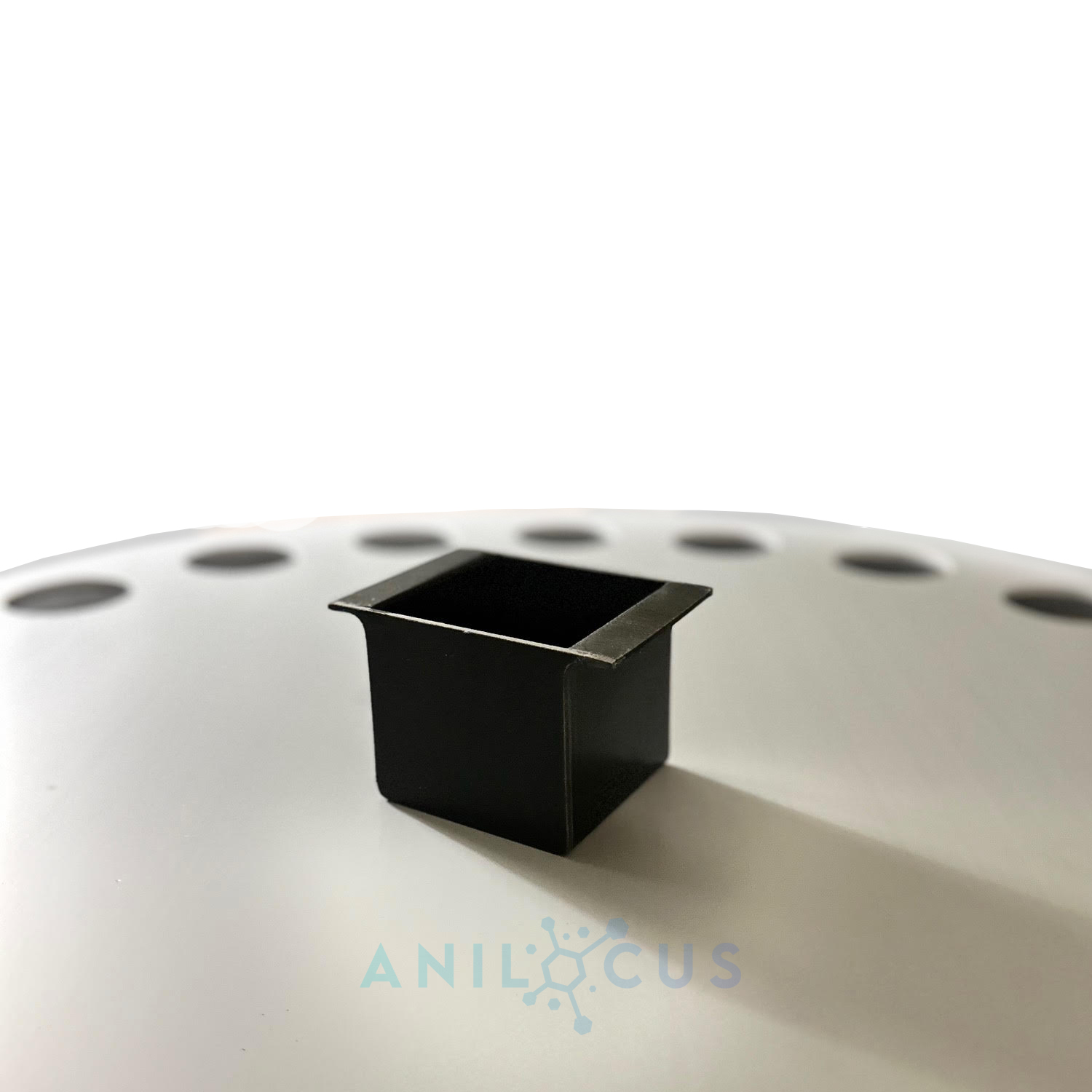
- One escape box with dark chamber
- 19 false escape boxes for visual cue elimination
- Starting cylinder for consistent trial initiation
- Assembly hardware and mounting components
Optional Upgrades
- False floor rotating system for advanced protocols
- Additional escape boxes for multi-target experiments
- Platform color options (white, gray, or black)
- Overhead lighting system with adjustable intensity
- Custom hole configurations for specialized research
Shipping Information
- Mouse Version Shipping Dimensions: 40″ x 40″ x 8″
- Rat Version Shipping Dimensions: 52″ x 52″ x 10″
- Professional packaging with protective foam inserts
- Assembly required (approximately 2 hours with included tools)
- Shipping Costs (based on UPS rates): Contact for quote based on destination
Purchase Note
The Barnes Maze ships as a complete system including the main platform, all escape boxes, and assembly hardware. Some assembly is required but can be completed in approximately 2 hours using standard tools. The apparatus requires adequate laboratory space with a minimum 8′ x 8′ testing area and overhead mounting capability for optional video tracking equipment. Professional installation services are available upon request.
Frequently Asked Questions (FAQ)
What is the difference between mouse and rat Barnes Maze configurations?
The primary differences are platform diameter (35″ for mice vs 47″ for rats) and hole diameter (2″ for mice vs 4″ for rats). These dimensions are optimized for each species’ size and natural behavior patterns to ensure reliable testing results.
How does the Barnes Maze compare to the Morris Water Maze?
The Barnes maze offers several advantages over the Morris Water Maze, including elimination of swimming stress, temperature effects, and floating behavior that can confound results. Both tests assess spatial memory but the Barnes Maze provides a less stressful alternative while maintaining scientific validity.
What training protocols are recommended for reliable results?
Most laboratories use 15-30 acquisition trials spread over multiple days, followed by probe trials to assess memory retention. We recommend starting with our standard 5-day protocol and adjusting based on your specific research requirements and animal performance.
Can the Barnes Maze be used for repeated testing?
Repeated Barnes Maze testing can induce procedural learning effects, making it less suitable for longitudinal spatial memory studies. For repeated testing, consider extended inter-test intervals and modified environmental cues to minimize carryover effects.
What lighting conditions are optimal for Barnes Maze testing?
Bright overhead lighting (>100 lux) is essential to create the aversive open-space condition that motivates escape behavior. Uniform illumination across the platform surface ensures consistent testing conditions and optimal video tracking performance.
How should I clean the apparatus between subjects?
Thorough cleaning with 70% ethanol between subjects is essential to eliminate odor cues that could influence subsequent animal performance. Scent cues left by previous animals can alter performance of subsequent subjects , making proper cleaning protocols critical for reliable results.
Reviews
There are no reviews yet.