Research

Magnetic resonance imaging

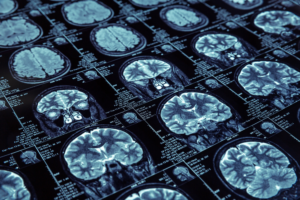
Major Reliability Flaws Revealed in AI Saliency Map Study of 25,000-Medical Images

German and South African researchers tested AI explanation tools used in medical imaging, finding that while some methods like ScoreCAM effectively highlight disease-relevant areas in brain scans and X-rays, others fail reliability tests. Surprisingly, random highlighting sometimes outperformed sophisticated AI explanation methods, raising concerns about trustworthiness before clinical deployment.


Read Full Article »
Woman researcher performing PCR test

Safety Biomarkers

Anilocus provides comprehensive safety biomarker analysis including molecular, cellular, and protein-based markers for early detection of organ toxicity and adverse effects. Our capabilities include qPCR analysis, flow cytometry, Western blot, and specialized tissue analysis to identify safety signals and support regulatory submissions for drug development programs.

Read Full Article »
Scientists are working in a chemical lab

Safety Pharmacology

Anilocus provides comprehensive safety pharmacology studies evaluating cardiovascular, respiratory, and central nervous system effects of drug candidates. Our capabilities include specialized behavioral assessments, physiological monitoring, and tissue analysis to identify potential safety liabilities and support regulatory submissions for safe drug development programs.

Read Full Article »
Laboratory assistants workign with test tubes

Knockout Mouse Models Using CRISPR-Cas9

CRISPR-Cas9 technology revolutionizes knockout mouse model creation by enabling precise gene editing with 95% efficiency. This advanced system allows researchers to generate specific genetic modifications in weeks rather than months, accelerating drug discovery and disease research with unprecedented accuracy and reproducibility.

Read Full Article »
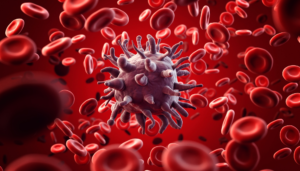
Viruses and red blood cells , Viral infection , Disease , 3d illustration

Flow Cytometry in Immunotoxicology

Flow cytometry revolutionizes immunotoxicology by enabling rapid, precise analysis of immune cell populations and functions. This technology helps researchers detect toxic effects on immune systems at cellular levels, supporting drug development and environmental health studies with quantitative accuracy previously impossible.

Read Full Article »

Don't miss out on exclusive content

Bold ideas and breakthrough research. Expert analysis on the innovations and drug development for the most important people in the world: patients.

Speak to an Expert!

Use this form to send your questions to our research team about our preclinical contract research services.

We are here to help!