This protocol measures anxiety-like behavior and locomotor activity in rodents using a standardized open arena to assess exploratory patterns and movement characteristics. The test evaluates anxiety levels through center exploration time, thigmotaxis patterns, and overall locomotor activity, providing quantitative data commonly used in neuropharmacological research and therapeutic intervention studies. By the end of the experiment, you should be able to complete the behavioral assessment with anxiety-related data suitable for statistical analysis.
What is the Open Field Test?
The open field test serves as a fundamental behavioral assay for measuring anxiety-like behavior and general locomotor activity in rodent models. This standardized assessment quantifies exploratory behavior patterns, including center zone exploration and wall-following behavior (thigmotaxis), which reflect anxiety levels in experimental animals (Prut & Belzung, 2003). The test helps evaluate anxiolytic or anxiogenic effects of pharmacological compounds, genetic modifications, and environmental manipulations by measuring spontaneous behavior in a novel environment. Researchers assess readiness by confirming access to appropriate test subjects, standardized testing apparatus, and reliable video recording systems for behavioral quantification.
Prerequisites
- Basic knowledge of rodent handling and transportation techniques
- Understanding of anxiety-related behavioral measures
- Familiarity with video recording and behavioral scoring systems
- Access to appropriate animal subjects and housing facilities
- Institutional Animal Care and Use Committee (IACUC) approval
Objectives
- Measure anxiety-like behavior through center zone exploration patterns
- Assess overall locomotor activity and movement characteristics
- Quantify thigmotaxis behavior and wall-following patterns
- Generate reliable behavioral data suitable for statistical analysis
- Evaluate potential anxiolytic or anxiogenic treatment effects
Duration
- 01:45:00 per subject (assumes 5-minute testing session with 30-minute acclimation, 15-minute setup, and 10-minute cleanup).
- For multiple subjects: add 20 minutes per additional subject for testing and inter-subject cleaning.
Estimated Cost
$3,437.50 USD (assuming user is purchasing all new equipment and materials)
Supplies
- Open field apparatus (square or circular arena, typically 40cm x 40cm)
- Video recording system with overhead camera positioning
- Digital timer with second precision
- Data recording sheets or digital forms
- Cleaning supplies (70% ethanol solution)
- Paper towels for apparatus cleaning
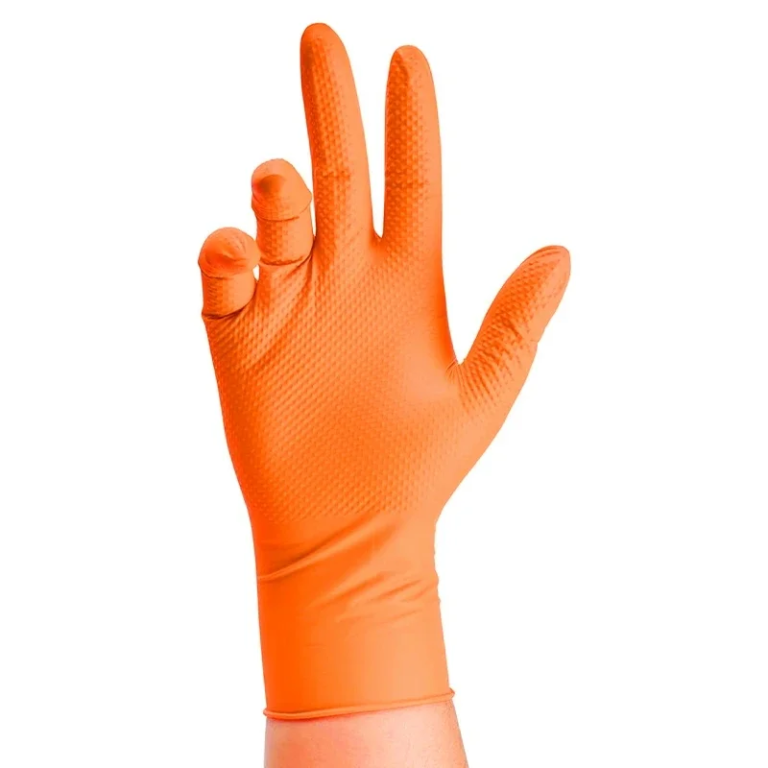
- Disposable nitrile gloves
- Animal transport containers
- Overhead lighting system (consistent illumination)
- Sound dampening materials for testing room
Tools
- Behavioral tracking software
- Computer with adequate processing power for real-time analysis
- Precision stopwatch as backup timing device
- Adjustable camera mount for overhead positioning
- Measuring tape for apparatus verification
- Digital scale for weighing subjects
- Ambient light meter for illumination consistency
Materials
Rodent test subjects, bedding material, identification markers, laboratory notebooks, calibration objects, backup storage devices
Protocol
Step 1: Establish Baseline Measurements
Record initial subject weight, age, strain, and housing conditions in detailed laboratory notebooks. Document any previous behavioral testing history and current health status through systematic observation. Take baseline measurements of the open field apparatus dimensions and verify all equipment functionality through comprehensive checks. This baseline data ensures consistent testing conditions and enables proper interpretation of behavioral results. Photograph the complete setup including lighting conditions and camera positioning for documentation purposes and future reference.
Step 2: Prepare Testing Environment
Clean the open field apparatus thoroughly with 70% ethanol solution and allow to air dry completely for 15 minutes. Position the apparatus in a quiet room with consistent overhead lighting (300-400 lux) and minimal external noise interference. Set up the video recording system with clear overhead views of the entire arena at 30 frames per second minimum. Ensure the room temperature remains between 20-22°C throughout testing. Install sound dampening materials to minimize acoustic distractions that could affect exploratory behavior patterns.
Step 3: Calibrate Tracking System
Configure behavioral tracking software by defining center zone boundaries (typically 20cm x 20cm for 40cm arena) and peripheral zones for automated analysis. Calibrate the tracking system using known distance markers to ensure accurate measurement of locomotor activity. Test the system with a practice object to verify proper detection and tracking functionality. Set recording parameters including sampling rate, data output format, and real-time analysis preferences. Document all calibration settings for consistent use across experimental sessions.
Step 4: Transport and Acclimate Subject
Transport test subject to the testing room in a quiet, covered container 30 minutes before testing to allow environmental acclimation. Avoid direct handling immediately before testing to prevent stress-induced behavioral changes. Allow the subject to remain in the transport container within the testing room to adjust to ambient conditions. Monitor the subject for signs of excessive stress or unusual behavior that might compromise test validity before proceeding with the experimental protocol.
Step 5: Conduct Open Field Test
Place test subject gently in the center of the open field arena and immediately begin video recording for the predetermined duration (typically 5-10 minutes). Allow the subject to explore freely without interference or disturbance throughout the testing period. Monitor the subject continuously for safety while avoiding any actions that might influence behavior. Record all spontaneous behaviors including locomotion, rearing, grooming, and defecation patterns. Ensure the tracking system captures all movement data accurately throughout the entire session.
Step 6: Remove Subject and Clean Apparatus
Remove test subject carefully after the testing period concludes and return to appropriate housing immediately. Thoroughly clean the open field apparatus with 70% ethanol solution to eliminate olfactory cues that might influence subsequent subjects. Allow the apparatus to air dry completely between subjects (minimum 5 minutes). Document any unusual behaviors, equipment malfunctions, or environmental disturbances that occurred during testing. Save video recordings with clear file naming conventions including subject identification, date, and testing conditions.
Step 7: Data Processing and Quality Control
Process video recordings through behavioral tracking software to extract quantitative measures including total distance traveled, center zone time, and movement velocity. Verify automated tracking accuracy by manually checking representative samples of the data. Calculate derived measures such as center zone entries, thigmotaxis index, and activity patterns over time. Ensure all data undergoes immediate backup storage and proper labeling with subject identification and experimental conditions for future analysis and statistical processing.
Analyze the Results
Primary Behavioral Measures
Calculate center zone time as a percentage of total session duration, with normal mice typically spending 5-15% of time in the center area. Measure total distance traveled to assess overall locomotor activity, with typical values ranging from 15-40 meters for a 5-minute session depending on strain and age. Calculate the number of center zone entries to evaluate exploratory behavior patterns. Generate thigmotaxis index by measuring time spent within 5cm of arena walls divided by total session time. Use statistical tests like one-way ANOVA or t-tests to compare groups (p<0.05 significance level).
Advanced Behavioral Analysis
Analyze temporal patterns of activity by dividing sessions into 1-minute intervals to detect habituation effects and activity changes over time. Calculate movement velocity and acceleration patterns to identify specific locomotor characteristics. Measure rearing frequency and duration as indicators of vertical exploratory behavior. Document grooming episodes and defecation patterns as additional stress indicators. Create detailed behavioral profiles including latency to first center entry, maximum time spent in center continuously, and path efficiency measures for comprehensive assessment of anxiety-like behavior.
Troubleshooting
Subject Shows No Movement or Freezing
This may indicate excessive stress, illness, or environmental factors affecting normal behavior. Verify that room temperature, lighting levels, and noise conditions meet specifications. Check the subject’s health status and previous handling history for potential stressors. Consider extending acclimation time to 45 minutes and ensuring gentle handling procedures. If freezing persists, exclude the subject from analysis and consult veterinary staff to rule out underlying health issues that might affect behavioral responses.
Tracking System Malfunctions
Maintain backup recording equipment including secondary cameras and manual scoring sheets for uninterrupted data collection. If automated tracking fails, manually score behaviors using predetermined time intervals (every 30 seconds) and standardized behavioral definitions. Ensure adequate lighting levels (300-400 lux) and optimal camera positioning to capture clear subject detection. Regularly clean camera lenses and check for software updates that might improve tracking accuracy and reliability.
Inconsistent Results Across Sessions
Maintain strict environmental controls including consistent testing time, room temperature, and lighting conditions. Ensure all personnel follow identical protocols and undergo training in proper handling techniques. Use the same apparatus and camera setup across all testing sessions to minimize technical variability. Consider implementing inter-session reliability assessments and document all variables that might affect behavioral outcomes including seasonal changes, housing conditions, and food restriction schedules.
High Variability in Behavioral Measures
Increase sample sizes to account for natural individual differences in exploratory behavior and anxiety levels. Standardize pre-testing conditions including housing environment, feeding schedules, and handling procedures. Consider strain-specific differences in baseline anxiety levels and locomotor activity patterns. Implement randomization procedures for testing order and time of day to minimize systematic biases. Document all potential confounding variables and use appropriate statistical methods to account for multiple comparisons.
Data Analysis and Interpretation
Analyze behavioral data using appropriate statistical software (R, SPSS, or GraphPad Prism) with established protocols for between-group comparisons. Calculate effect sizes using Cohen’s d for meaningful interpretation of treatment effects beyond statistical significance. Generate normalized scores for cross-strain comparisons and age-related analyses. Create detailed behavioral profiles including correlations between different measures (center time vs. total distance) for comprehensive assessment of anxiety-like behavior patterns.
Compare results to established normative data from control populations and published literature values for specific strains and testing conditions. Consider biological significance alongside statistical significance when interpreting pharmacological or genetic intervention effects. Document any deviations from expected behavioral patterns and potential confounding variables that might influence interpretation. Prepare data for publication following established guidelines for behavioral research reporting including detailed methodological descriptions.
Quality Control Measures
Implement systematic quality control procedures including daily equipment calibration and regular maintenance of video recording systems. Conduct pilot testing with known control groups to verify system functionality and establish baseline performance metrics. Maintain detailed laboratory notebooks documenting all procedures, equipment settings, and environmental conditions for each experimental session. Establish standard operating procedures for all personnel involved in behavioral testing.
Establish inter-rater reliability through independent scoring of identical video recordings by multiple trained observers. Calculate correlation coefficients (r>0.85) and resolve discrepancies through consensus meetings and additional training. Document all protocol modifications and their rationale for maintaining experimental integrity across time periods and different research personnel. Implement regular quality assurance reviews to ensure consistent methodology and data quality standards.
This methodology represents standard procedures established through collaborative research at multiple academic institutions, validated across diverse rodent strains, and refined through continuous use in behavioral neuroscience laboratories worldwide since the 1960s.
Key Takeaways
- The open field test provides standardized quantitative assessment of anxiety-like behavior and locomotor activity in rodent models.
- Proper environmental control and consistent methodology prevent confounding factors that compromise behavioral measurement accuracy and reliability.
- Experts recommend this assay as essential for neuropharmacological research, anxiety disorder studies, and therapeutic intervention assessment.
Related Articles
- 3-Chamber Sociability Test Step-by-Step Protocol – Protocol for measuring social preference and novelty recognition in rodents using standardized behavioral assessment.
- Elevated Plus Maze Anxiety Assessment Protocol – Alternative anxiety measurement method using elevated apparatus to assess approach-avoidance behavior in rodent models.
- Behavioral Video Analysis Software Guide – Step-by-step instructions for using automated tracking systems to quantify animal behaviors with increased accuracy.